About The Elite Socialite Foundation Inc. (TESFI)
The Elite Socialite Foundation Inc. (TESFI) is a non-profit organization passionately committed to transforming the lives of underprivileged children through education. We believe that every child deserves access to quality learning opportunities, regardless of their socioeconomic background. Our efforts are concentrated on local communities, where we strive to address critical educational disparities and foster an environment where young minds can thrive.
Our Core Mission and Long-Term Vision
Our Mission
To empower underprivileged children by providing essential educational resources and fostering a supportive learning environment, enabling them to achieve their full potential.
Our Vision (5-10 Years)
TESFI envisions a future where every child in our target communities has equitable access to education, leading to increased graduation rates, higher rates of college enrollment, and a significant reduction in generational poverty. We aim to create a ripple effect, transforming communities through educated and empowered youth who become active contributors to society.
SMART Goals (1-3 Years)
- Specific: Increase the number of children receiving tuition assistance by 25% annually.
- Measurable: Distribute 1,000 school supply kits to students in need within the first year.
- Achievable: Establish partnerships with 5 new local schools to implement our mentorship programs.
- Relevant: Improve academic performance by providing tutoring to 200 students, aiming for a 10% increase in their average grades.
- Time-bound: Launch a comprehensive summer enrichment program for 150 children by the end of year two.
Our Beneficiaries
Our primary beneficiaries are children aged 5-18 from low-income households within the Atlanta, GA metropolitan area. Secondary beneficiaries include their families, local schools, and the broader community, all of whom benefit from improved educational outcomes and community engagement. Beneficiaries are identified through collaborations with local schools, community centers, and social service agencies, using criteria such as free and reduced-price lunch eligibility and demonstrated academic need.
Key Programs and Activities
- Tuition Assistance Program: Providing scholarships and financial aid for school fees and educational programs.
- School Supply & Resource Distribution: Supplying backpacks, stationery, textbooks, and digital learning tools.
- After-School Tutoring & Mentorship: Offering academic support and guidance from qualified mentors.
- Summer Enrichment Camps: Organizing educational and recreational activities during school breaks.
- Parental Engagement Workshops: Empowering parents to support their children's educational journey.
These programs are prioritized based on immediate community needs and their potential for long-term impact on student success.
Theory of Change
Our Theory of Change outlines a clear pathway from our inputs to long-term impact:
- Inputs: Financial resources, volunteer time, educational materials, community partnerships.
- Activities: Tuition assistance, supply distribution, tutoring, mentorship, summer camps, parent workshops.
- Short-Term Outcomes: Increased access to education, improved academic performance, enhanced self-esteem, greater parental involvement.
- Long-Term Impact: Reduced educational inequality, increased graduation rates, empowered youth, stronger communities, breaking cycles of poverty.
This framework guides our strategic planning and evaluation efforts.
Key Performance Indicators (KPIs)
- Number of students receiving tuition assistance.
- Number of school supply kits distributed.
- Percentage increase in beneficiaries' academic grades.
- Volunteer retention rate.
- Number of community partnerships established.
- Participant satisfaction rates for programs.
Monitoring & Evaluation Plan
Our M&E plan involves quarterly data collection through surveys, academic progress reports, and stakeholder interviews. Annual impact assessments will measure long-term outcomes against our vision. Tools include a custom database for tracking student progress, feedback forms, and external evaluations to ensure objectivity and continuous improvement.
Operational Team Structure
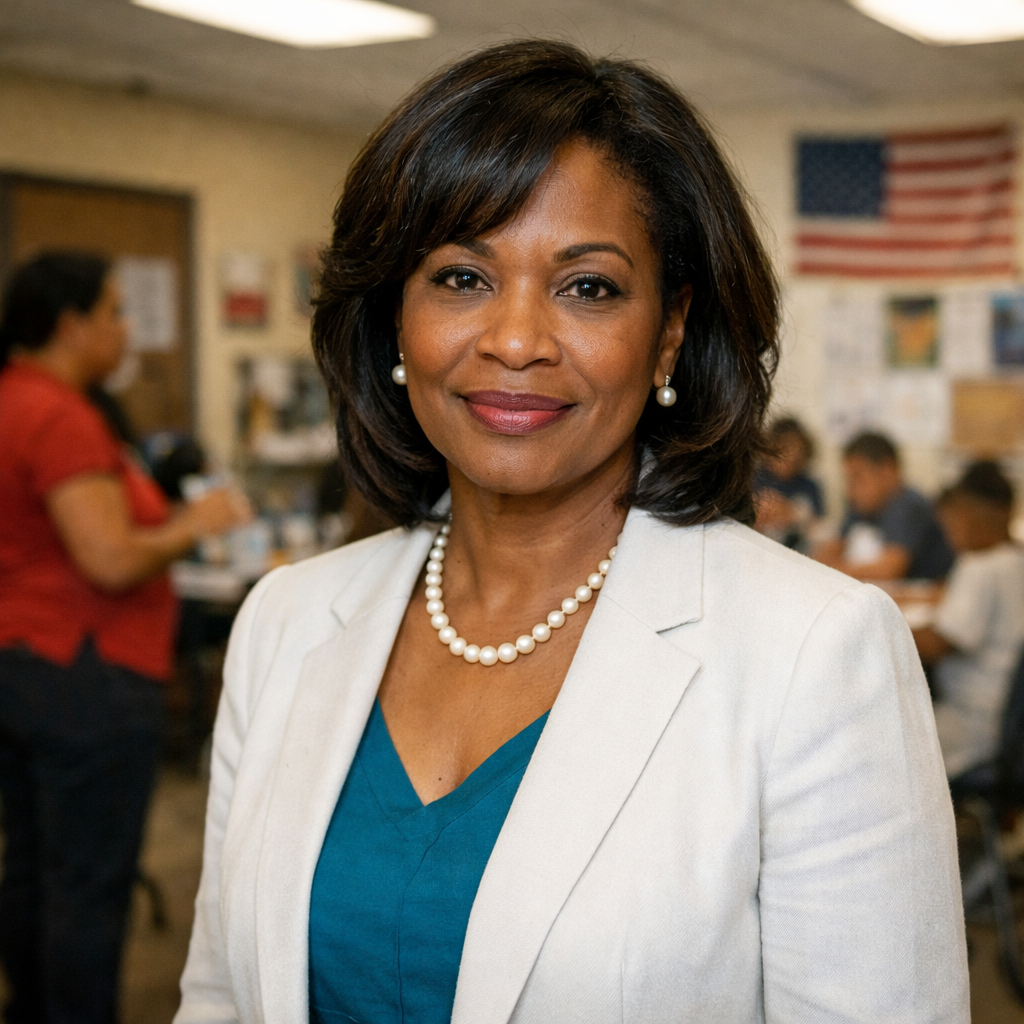
The TESFI team is led by our Principal, Carol Rey, who oversees strategic direction and program implementation. Key roles include Program Managers (responsible for specific initiatives like tuition assistance or tutoring), Volunteer Coordinators, and Community Outreach Specialists. The team is structured to ensure efficient program delivery, strong community engagement, and effective resource management, with clear lines of responsibility and accountability.
Volunteer Attraction & Retention
We attract volunteers through university partnerships, community events, and online platforms. Our strategy includes comprehensive onboarding, ongoing training, recognition programs, and clear role descriptions to ensure a fulfilling and impactful experience. Regular feedback sessions help us understand volunteer needs and improve retention.
Material Resources & Technology
Essential resources include classrooms for tutoring, computers for digital literacy programs, and vehicles for supply distribution. We optimize their use through scheduling software, shared resource models with partner organizations, and leveraging open-source educational technologies to maximize reach and efficiency.
Funding & Sustainability
Initial funding is secured through grants from philanthropic foundations and targeted crowdfunding campaigns. Our long-term sustainability plan includes diversifying revenue streams through corporate sponsorships, individual donor cultivation, and planned giving programs. We aim to build an endowment fund to ensure financial stability beyond initial support phases.
Potential Risks & Mitigation
- Operational Risk: Volunteer turnover. Mitigation: Robust recruitment and retention strategy, cross-training.
- Financial Risk: Dependency on single funding sources. Mitigation: Diversification of funding, strong grant pipeline.
- External Risk: Changes in educational policy. Mitigation: Active advocacy, flexible program design.
- Reputational Risk: Negative publicity. Mitigation: Transparent communication, strong ethical guidelines.
The Social Issue We Address
In many local communities, a significant number of children face substantial barriers to accessing quality education. These barriers include inadequate school supplies, lack of tuition support, and limited access to enriching educational experiences. Data from local school districts and community assessments consistently show a correlation between socioeconomic status and academic performance, highlighting a pressing need for intervention. For instance, a recent study in Atlanta, GA, indicated that over 15% of students in underserved areas lack basic school supplies, directly impacting their ability to participate fully in classroom activities.